What Hair Transplant Expectations Are Realistic
- Bilal Raja
- Jan 27
- 4 min read

Embarking on a hair transplant journey is an important decision for anyone seeking to restore their hairline and boost confidence. Understanding what to expect from the procedure can help set realistic goals and ensure satisfaction with the results. When considering Hair Transplant Abu Dhabi, it’s essential to have a clear picture of the potential outcomes and limitations of this advanced hair restoration technique. This article aims to provide comprehensive insights into what realistic expectations should be for those contemplating a hair transplant, emphasizing the importance of informed decision-making and proper planning.
Understanding Hair Transplant: The Basics
What Is a Hair Transplant?
A hair transplant is a surgical procedure that involves relocating hair follicles from a donor area—typically the back or sides of the scalp—to areas experiencing hair loss or thinning. This technique offers a permanent solution for hair restoration by utilizing healthy hair follicles resistant to balding. It’s a minimally invasive procedure that, with proper planning, can produce natural-looking results.
Types of Hair Transplant Techniques
There are primarily two popular methods: Follicular Unit Transplantation (FUT) and Follicular Unit Extraction (FUE). Both aim to transfer hair follicles, but they differ in extraction techniques and scarring potential. Choosing the right method depends on individual hair loss patterns, donor hair quality, and personal preferences.
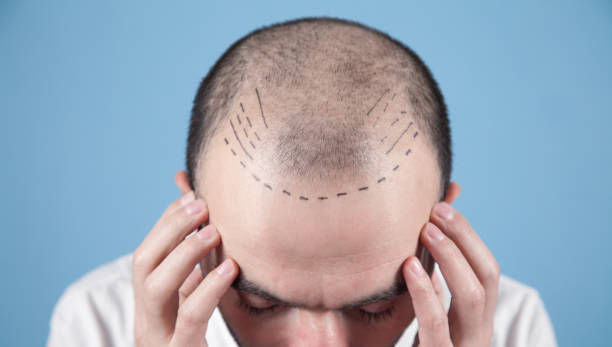
Setting Realistic Expectations for Hair Transplant Outcomes
The Importance of Personalization
Every individual’s hair loss pattern, hair type, and scalp condition are unique. Therefore, the results of a hair transplant are highly personalized. A professional consultation will assess your specific situation to develop a tailored plan that aligns with your goals. Understanding
that outcomes vary based on these factors helps set attainable expectations.
Natural Results Are the Goal
One of the main objectives of a successful hair transplant is achieving a natural appearance. Skilled surgeons focus on replicating natural hair growth patterns, density, and hairline design. It’s important to recognize that the goal isn’t to create a thick, uniform head of hair instantly but to restore a natural, age-appropriate look that complements your facial features.
The Role of Hair Density and Coverage
While hair transplants significantly improve hair density, they may not replicate the density of a full head of youthful hair. Most procedures aim to restore coverage and improve the overall aesthetic, which means that some areas may still appear thinner than others. Setting realistic expectations involves understanding that perfect uniformity is seldom achievable.
The Healing Process and Timeline
Post-Procedure Expectations
The initial healing phase involves some swelling, redness, and scabbing, which typically subsides within a week or two. During this period, hair may shed temporarily—a normal part of the process called "shock loss." This shedding makes room for new, healthy hair growth and should not be alarming.
Hair Growth Phases
Hair growth following a transplant occurs gradually. New hair usually begins to grow around three to four months after the procedure. Significant improvement in density and appearance is often visible between six to nine months, with full results typically evident after one year.
Patience during this period is crucial for appreciating the final outcome.
Maintenance and Follow-Up
While transplanted hair is permanent, maintaining overall scalp health through proper hair care and follow-up treatments can optimize results. Some individuals may require touch-up procedures or complementary treatments to enhance density or address specific areas.
Factors Influencing Transplant Results
Hair Characteristics and Donor Quality
The quality and quantity of donor hair play a vital role in determining the extent of achievable coverage. Thicker, healthier hair follicles tend to produce more natural and satisfying results. Conversely, limited donor hair may restrict the overall density and coverage.
Age and Hair Loss Progression
The age of the patient and the progression rate of hair loss influence the planning and expected outcomes. It’s essential to address current hair loss while considering future thinning in surrounding areas to ensure a cohesive and natural look over time.
Surgeon Skill and Technique
The expertise of the surgeon and the chosen technique significantly impact the naturalness of the results. A highly skilled professional will design a hairline that complements your facial features and ensures proper hair distribution, leading to more satisfying outcomes.
Combining Treatments for Optimal Results
Complementary Procedures
In some cases, combining a hair transplant with other treatments such as platelet-rich plasma (PRP) therapy, laser therapy, or medical management can enhance results. These adjunct therapies may promote healthier hair follicles, improve scalp condition, and support the longevity of transplanted hair.
Long-Term Hair Care
Maintaining healthy hair involves ongoing scalp care, proper nutrition, and possibly medical treatments to slow down hair loss in non-transplanted areas. Setting expectations includes understanding that a holistic approach contributes to sustained and natural-looking results.
Communication and Realistic Goals
The Importance of Open Dialogue
Clear communication with your surgeon about your goals and expectations is essential. A professional will guide you in understanding what is achievable and help set realistic, personalized targets. This collaborative approach ensures satisfaction and minimizes disappointment.
Avoiding Unrealistic Expectations
While a hair transplant can significantly improve appearance, it’s important to avoid expecting instant, perfect results or complete hair density. Recognizing the limitations and understanding the natural progression of hair growth helps align your expectations with achievable outcomes.
Final Thoughts
Achieving a natural and satisfying appearance through a hair transplant involves understanding what is realistically attainable. The procedure’s success depends on various factors, including individual hair characteristics, surgical technique, and post-operative care. Remember that patience is key, as hair growth is a gradual process, and the final results may take several months to fully materialize.
By maintaining open communication with your healthcare provider and having a clear understanding of the potential outcomes, you can approach your hair restoration journey with confidence and realistic expectations. Ultimately, a well-executed hair transplant can restore not just hair but also self-esteem and confidence, leading to a more youthful and vibrant appearance.



Comments