Is Sclerotherapy a Quick Fix for Leg Veins?
- Bilal Raja
- Jan 2
- 4 min read

Leg veins, especially varicose and spider veins, are a common aesthetic concern for many individuals. These visible veins can cause discomfort, self-consciousness, and sometimes health issues. As a result, numerous treatments have emerged to address this problem, with Sclerotherapy in Al Ain gaining significant popularity. But is sclerotherapy a quick fix for leg veins? Let’s explore this question in depth, understanding what sclerotherapy involves, its effectiveness, and what to expect from the treatment.
Understanding Leg Veins and Their Appearance
What Are Varicose and Spider Veins?
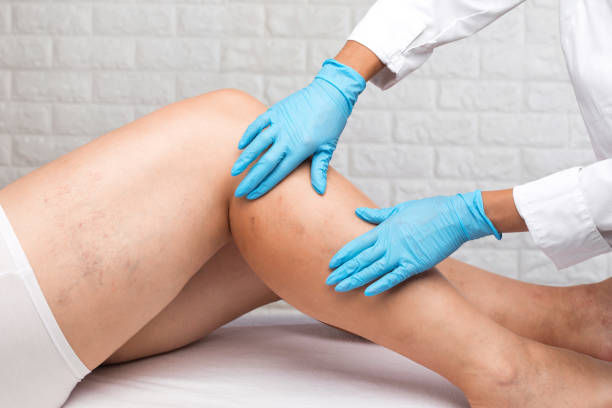
Varicose veins are enlarged, twisted veins that often appear blue or dark purple. They develop when the valves within veins weaken, causing blood to pool and veins to swell. Spider veins are smaller, web-like veins that typically appear closer to the skin's surface and are usually red, blue, or purple.
Why Do Leg Veins Become Visible?
Several factors contribute to the appearance of leg veins. These include genetics, hormonal changes, prolonged standing or sitting, obesity, pregnancy, and aging. Lifestyle choices and hereditary predisposition influence the development and visibility of these veins.
The Role of Sclerotherapy in Treating Leg Veins
What Is Sclerotherapy?
Sclerotherapy is a minimally invasive procedure designed to eliminate unwanted leg veins. It involves injecting a specialized solution directly into the affected veins. The solution causes irritation and inflammation inside the vein, leading to its collapse and eventual absorption by the body.
How Does Sclerotherapy Work?
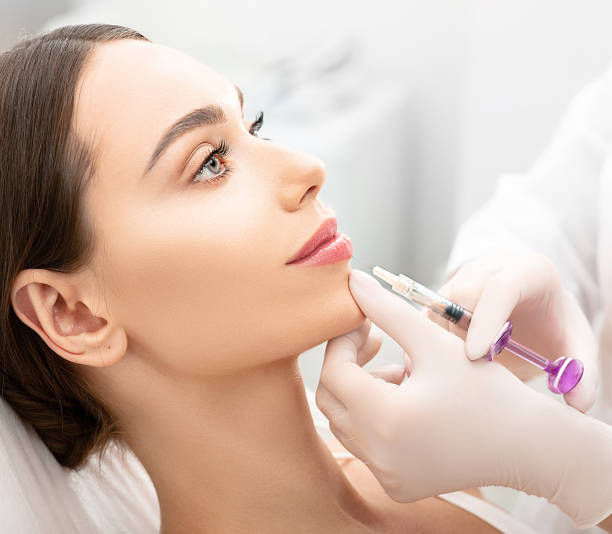
During the procedure, a healthcare professional uses a fine needle to inject the sclerosant solution into the targeted veins. The chemical irritates the lining of the veins, causing them to stick together and close off. Over time, the body naturally reroutes blood flow through healthier veins, and the treated veins fade from view.
Effectiveness of Sclerotherapy
Sclerotherapy is highly effective for small to medium-sized veins, especially spider veins and reticular veins. It offers noticeable cosmetic improvements and can significantly reduce the appearance of leg veins. However, the degree of success depends on various factors, including the size and location of the veins, the patient’s skin type, and adherence to post-treatment instructions.
Is Sclerotherapy a Quick Fix for Leg Veins?
The Perception of Speed in Sclerotherapy
Many individuals seek quick solutions for visible leg veins. Sclerotherapy is often perceived as a rapid procedure because of its minimally invasive nature. The injections are quick, and some patients notice improvements within a few weeks.
The Reality of Treatment Timeline
Despite the quick nature of individual sessions, Sclerotherapy is not necessarily an instant fix. Multiple sessions are usually required to achieve optimal results, especially for extensive vein networks. Each session may last between 15 to 30 minutes, but complete clearance often takes several weeks to months as the body gradually absorbs the treated veins.
Factors Influencing the Speed of Results
Several factors influence how quickly results are visible. These include the size and number of veins treated, the type of sclerosant used, and the individual's healing response. Larger or more complex veins may require more sessions, extending the overall timeline.
Long-Term Results and Maintenance
While sclerotherapy provides significant cosmetic improvement, maintenance may be necessary. New veins can develop over time due to ongoing risk factors, and some patients may require follow-up treatments to maintain their results.
Advantages of Sclerotherapy for Leg Veins
Minimally Invasive with Minimal Downtime
One of the key benefits is its minimally invasive nature. Most patients can resume daily activities almost immediately after treatment, with little to no downtime.
High Success Rate for Suitable Candidates
When performed on appropriate vein types, sclerotherapy offers high success rates. It effectively diminishes visible veins and enhances the appearance of the legs.
Safe and Well-Established Procedure
This treatment has been practiced for decades and is considered safe when performed by trained professionals. The procedure involves no general anesthesia and involves minimal discomfort.
Limitations and Considerations
Not a Permanent Cure
Although sclerotherapy provides long-lasting results, it is not necessarily a permanent solution. New veins may develop over time, especially if underlying causes are not addressed.
Not Suitable for All Types of Veins
Very large or deep veins might not respond well to sclerotherapy. In such cases, other treatments like laser therapy or surgical options may be considered.
The Importance of Proper Post-Treatment Care
Post-procedure care, including wearing compression stockings and avoiding strenuous activities immediately afterward, plays a vital role in maximizing results and reducing the risk of recurrence.
Alternative Treatments for Leg Veins
Laser Therapy
Laser treatments can target superficial veins with high precision, offering an alternative for smaller veins or patients seeking non-injection options.
Radiofrequency Ablation
This technique uses radiofrequency energy to heat and close off larger veins, often used for more extensive venous issues.
Surgery
In cases of severe varicose veins, surgical procedures such as vein stripping might be necessary, though these are more invasive.
Final Thoughts
While Sclerotherapy Al Ain offers a swift, minimally invasive approach to improving the appearance of leg veins, it is not a quick fix in terms of immediate results. The procedure itself is quick, but optimal outcomes require multiple sessions over weeks or months. Patience, proper post-treatment care, and realistic expectations are essential for achieving the best possible results. For those seeking a long-term solution to leg vein concerns, consultation with a qualified specialist can help determine if sclerotherapy is the right choice.


Comments