Is Botox the Right Choice for Dermatologist Skin Treatment
- Bilal Raja
- Jan 22, 2025
- 5 min read

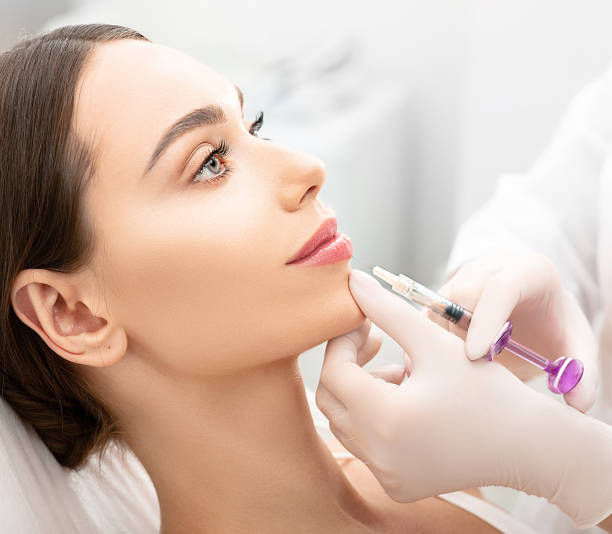
Botox is one of the most popular cosmetic treatments in the world, widely known for its ability to reduce wrinkles and fine lines, particularly around the forehead, eyes, and mouth. It works by temporarily paralyzing the muscles that cause these wrinkles, providing smoother, more youthful-looking skin. However, while Botox is primarily used for aesthetic purposes, many people wonder if it’s the right choice for their skin concerns. Consulting with the Best Dermatologist in Abu Dhabi who can help you make an informed decision about whether Botox is the right option for you. This article will explore the benefits, considerations, and potential side effects of Botox when used as a dermatologic treatment, helping you decide if it’s the right choice for your skin.

1. How Botox Works as a Skin Treatment
Botox, or botulinum toxin, is a neurotoxic protein that temporarily blocks the signals between nerves and muscles. When injected into specific facial muscles, Botox prevents them from contracting, which in turn smoothens the overlying skin. This effect lasts for a few months, with the muscles gradually regaining their function over time.
Key Benefits of Botox:
Reduces Fine Lines and Wrinkles: Botox is most commonly used to target expression lines, such as crow's feet (around the eyes), frown lines (between the eyebrows), and forehead lines.
Non-Surgical: One of the major appeals of Botox is that it’s a non-invasive treatment, meaning it requires no downtime and is performed as an outpatient procedure with minimal recovery time.
Quick Procedure: Botox injections are relatively quick, often taking less than 30 minutes, making it a convenient option for those with busy schedules.
2. Is Botox Effective for Skin Rejuvenation?
Botox is widely regarded as an effective treatment for reducing the appearance of fine lines and wrinkles, but its role in overall skin rejuvenation is more limited.
Effectiveness for Wrinkle Reduction:
Botox is highly effective for treating dynamic wrinkles—those caused by repeated muscle movements, such as smiling or frowning. By relaxing the muscles responsible for these movements, Botox can soften the lines and prevent new wrinkles from forming. It’s particularly effective for:
Crow’s Feet: Fine lines and wrinkles around the eyes that form from squinting or smiling.
Frown Lines: Vertical lines between the eyebrows caused by furrowing.
Forehead Lines: Horizontal lines on the forehead caused by raising the eyebrows.
However, Botox does not address other types of skin aging, such as the loss of volume, sagging, or skin texture. For these concerns, additional treatments like dermal fillers, chemical peels, or laser therapies may be needed in combination with Botox for more comprehensive skin rejuvenation.
Effectiveness for Non-Wrinkle Treatments:
Botox has been found effective for treating other skin-related concerns beyond wrinkles:
Excessive Sweating (Hyperhidrosis): Botox can block the nerve signals that trigger sweating, offering relief for people suffering from excessive underarm, hand, or foot perspiration.
Migraines: Botox injections can help reduce the frequency and severity of chronic migraines by relaxing the muscles around the head and neck.
Neck Bands: Botox can help smooth the appearance of platysmal bands (muscles in the neck that cause sagging), offering a more youthful neck contour.
3. Who Is an Ideal Candidate for Botox?
While Botox is a versatile treatment, it’s not suitable for everyone. It’s important to understand who would benefit most from Botox and who should avoid it.
Ideal Candidates for Botox:
Individuals with Fine Lines and Wrinkles: People in their 30s or older, who begin to notice the first signs of aging, may find Botox particularly beneficial in smoothing out expression lines.
Patients with Hyperhidrosis: Botox is FDA-approved for the treatment of excessive sweating, so people who suffer from this condition may find relief from Botox injections.
People Seeking Non-Surgical Options: Botox is perfect for those who want to improve the appearance of their skin without undergoing surgery. It’s a great option for individuals who wish to look younger but aren’t ready for more invasive procedures.
Healthy Individuals: Botox is safe for most healthy adults, but it’s important for patients to disclose their full medical history, especially if they have conditions such as neuromuscular disorders.
Who Should Avoid Botox?
Pregnant or Breastfeeding Women: Botox is not recommended during pregnancy or while breastfeeding, as its safety in these situations hasn’t been fully established.
People with Allergies to Botulinum Toxin: If you have a known allergy to botulinum toxin or any of the ingredients in Botox, you should avoid the treatment.
Individuals with Neuromuscular Disorders: Botox may not be appropriate for people with certain neuromuscular disorders, such as myasthenia gravis or ALS, as it can worsen symptoms.
4. Potential Side Effects and Considerations
While Botox is generally considered safe when administered by a qualified dermatologist, there are some potential side effects and risks to consider.
Common Side Effects:
Bruising or Swelling: These are the most common side effects after Botox injections. They are typically temporary and resolve within a few days.
Headache or Flu-like Symptoms: Some patients may experience mild headaches or flu-like symptoms after the procedure.
Temporary Drooping: In rare cases, Botox can cause the eyelid or eyebrow to droop if the injections are not placed precisely.
Serious Side Effects (Rare):
Difficulty Breathing or Swallowing: Although extremely rare, Botox can affect breathing or swallowing if injected improperly. This highlights the importance of choosing a skilled and experienced dermatologist for Botox treatments.
Allergic Reactions: Though uncommon, allergic reactions such as rash, itching, or difficulty breathing can occur. These should be addressed immediately by a healthcare professional.
5. How Long Does Botox Last?
The effects of Botox typically last between three to six months, depending on the area treated and the individual’s response to the treatment. Over time, the muscles gradually regain their ability to contract, and the wrinkles or lines may reappear. To maintain the results, repeat treatments are necessary.
Maintaining Results:
Frequent Treatments: Many patients opt for regular Botox treatments to maintain their smooth, youthful appearance. As you continue treatments, you may notice that the lines become less prominent, and fewer treatments are required to maintain results.
Combination with Other Treatments: For more comprehensive skin rejuvenation, Botox can be combined with other treatments such as dermal fillers, chemical peels, or laser resurfacing to address a wider range of skin concerns.
Conclusion: Is Botox Right for You?
Botox is a safe and effective treatment for reducing the appearance of fine lines and wrinkles, particularly around the eyes, forehead, and mouth. It offers a non-invasive solution for those seeking a more youthful appearance without the need for surgery. However, it’s important to note that Botox is not a comprehensive solution for all signs of aging or skin concerns. For individuals with more significant skin issues, such as sagging, texture problems, or volume loss, combining Botox with other dermatologic treatments may be necessary to achieve optimal results.
If you’re considering Botox, it’s essential to consult with a qualified dermatologist who can assess your skin’s condition, understand your goals, and help you decide if Botox is the right choice for your needs. With the right care and a personalized treatment plan, Botox can be an effective way to refresh your appearance and rejuvenate your skin.


Comments