How Hyaluronic Acid Can Restore Skin’s Natural Glow
- Bilal Raja
- Mar 26, 2025
- 3 min read

The quest for youthful, radiant skin has led many to explore various skincare treatments and products. Among these, Hyaluronic Acid in Abu Dhabi has emerged as a powerful ingredient celebrated for its hydrating properties and anti-aging benefits. Understanding how hyaluronic acid works, its benefits, and application methods can empower individuals to make informed decisions regarding their skin health.
What is Hyaluronic Acid?
Hyaluronic acid is a naturally occurring substance in the skin, connective tissues, and mucous membranes. Its primary function is to retain moisture, helping maintain skin elasticity and firmness. Acting as a sponge, hyaluronic acid can hold up to 1,000 times its weight in water, making it a pivotal player in skin hydration.
The Role of Hyaluronic Acid in the Body
Hydration: Maintains skin moisture balance.
Natural produce: Naturally found in the body, especially in joints and skin.
Cell regeneration: Aids in cell turnover and repair.
The body’s production of hyaluronic acid declines with age, leading to dryness, loss of elasticity, and the formation of fine lines and wrinkles. Therefore, supplementation through skincare products and treatments can significantly rejuvenate the skin.

Benefits of Using Hyaluronic Acid
Incorporating hyaluronic acid into a skincare routine provides various advantages, each contributing to a more youthful appearance.
1. Intense Hydration
One of the core benefits of hyaluronic acid is its ability to deliver intense hydration. When applied topically, it pulls moisture from the environment and deeper skin layers to plump and hydrate the skin.
2. Reducing the Appearance of Wrinkles
Consistent use can soften the appearance of fine lines and wrinkles. By keeping the skin well-hydrated, hyaluronic acid helps to ensure that skin remains plump and smooth.
3. Enhanced Skin Elasticity
As hyaluronic acid facilitates hydration, it also promotes better elasticity. Improved elasticity means skin can better bounce back, leading to a more youthful look.
4. Calming Irritation
Hyaluronic acid possesses soothing properties, making it suitable for sensitive or irritated skin. It helps in reducing redness and calm skin conditions like eczema or rosacea.
5. Non-Comedogenic Formulation
Being lightweight and non-greasy, hyaluronic acid does not clog pores, making it a great option for all skin types, including oily and acne-prone skin.
How to Incorporate Hyaluronic Acid into Your Skincare Routine
To maximize the benefits of hyaluronic acid, it is essential to know how to incorporate it effectively into your daily skincare regime.
Step 1: Choose the Right Formulation
Hyaluronic acid is available in various formulations, including serums, creams, and masks. Selecting a product that fits seamlessly into your routine is crucial.
Step 2: Application Timing
For optimal absorption, apply hyaluronic acid on damp skin. This will help the product draw even more moisture into the skin.
Step 3: Layering Technique
After applying hyaluronic acid, follow with a moisturizer to lock in hydration. This layering technique ensures maximum effectiveness while providing an additional barrier against environmental factors.
Step 4: Consistent Use
Consistency is vital in skincare. Regular application of hyaluronic acid will render beneficial results over time, helping maintain skin moisture and elasticity.
Step 5: Pair with Other Ingredients
Combining hyaluronic acid with antioxidants like Vitamin C can enhance its benefits. Pairing with sunscreen during the day can protect and keep the skin hydrated.
The Science Behind Hyaluronic Acid
Understanding the science of hyaluronic acid can help unveil its effectiveness.
Molecular Structure and Function
Hyaluronic acid consists of long chains of sugar molecules, making it a glycosaminoglycan. This structure allows it to hold substantial amounts of water, functioning as a cushioning agent in tissues while also promoting cell movement and proliferation.
Role in Aging
As we age, not only does the quantity of hyaluronic acid decrease, but so does its ability to retain moisture. This results in dehydrated, sagging skin. Replenishing it topically can help restore the skin's hydration levels and overall appearance.
Spas and Treatments Featuring Hyaluronic Acid
While hyaluronic acid is accessible through various products, several spa treatments leverage its properties to provide enhanced results.
Facial Treatments
Many spas offer facials that include hyaluronic acid as a key ingredient. These treatments can deeply hydrate the skin and improve texture and tone.
Injectables
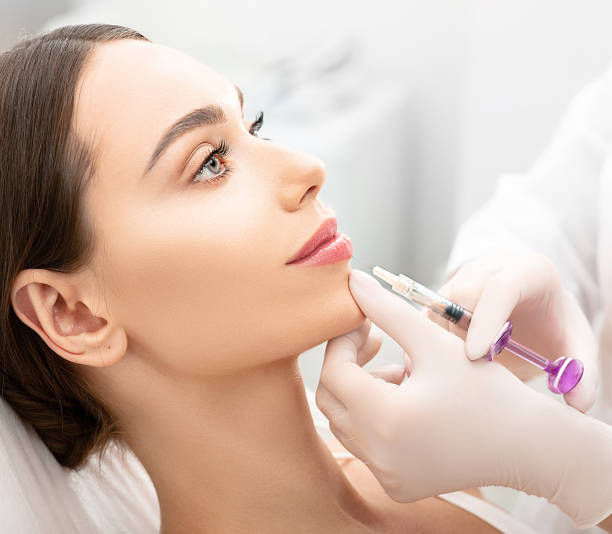
Hyaluronic acid is commonly used in dermal fillers to enhance facial contours and reduce the appearance of wrinkles.
Professional Chemical Peels
Certain chemical peels incorporate hyaluronic acid to not only exfoliate but also hydrate, bringing renewed radiance to the skin.
Conclusion
Hyaluronic Acid Abu Dhabi is a remarkable ingredient for revitalizing your skin. By harnessing its hydrating capabilities, you can reclaim a youthful glow, promote healthy skin elasticity, and enjoy a well-rounded skincare experience that addresses various concerns. Regular incorporation into your daily routine alongside proper application techniques will ensure you can attain and maintain hydrated, luminous skin that radiates health.


Comments