How Does Acne Treatment Affect Skin Texture?
- Bilal Raja
- Jul 1, 2025
- 4 min read

Acne is a common skin condition that affects people of all ages, often leaving behind more than just temporary blemishes. One of the key concerns for individuals undergoing acne treatment is how the process influences the overall texture of their skin. Achieving smooth, clear skin involves more than just reducing acne lesions; it also involves addressing the underlying changes in skin texture that often result from breakouts.
Acne treatment in Abu Dhabi offers a variety of approaches designed not only to clear acne but also to improve skin texture, leading to a more refined and even complexion. Understanding how acne treatments influence skin texture can help individuals set realistic expectations and choose the most suitable options for their skin needs.
Understanding Skin Texture and Its Connection to Acne
What Is Skin Texture?
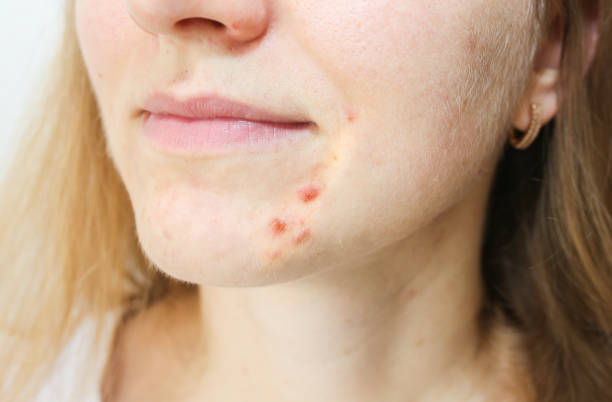
Skin texture refers to the surface quality of your skin, including its smoothness, pore size, and the presence of irregularities such as scars or bumps. Healthy skin typically has a uniform, smooth surface, while imperfections like scars, hyperpigmentation, or enlarged pores can make the skin appear uneven.
How Acne Affects Skin Texture
Acne often leaves behind various types of scars and marks that alter the skin’s surface. These include atrophic scars (depressed scars), hypertrophic scars (raised scars), and post-inflammatory hyperpigmentation. The inflammatory process involved in acne damages the skin’s collagen and elastin fibers, leading to these textural irregularities.
Importance of Addressing Texture in Acne Treatment
Addressing skin texture is crucial because it significantly impacts the overall appearance and confidence of an individual. Effective acne treatment aims to not only clear active lesions but also to restore skin smoothness by promoting collagen rebuilding and reducing scar visibility.
How Acne Treatment Improves Skin Texture
1. Reducing Inflammation and Preventing Further Damage
Effective acne management minimizes ongoing inflammation, which is essential because persistent inflammation can worsen scarring. By controlling breakouts early, treatments help prevent the formation of new scars and facilitate the healing of existing ones.
2. Promoting Collagen Production
Many acne treatments stimulate collagen synthesis — the protein responsible for skin strength and elasticity. Increased collagen helps fill in atrophic scars and smoothens the skin surface, leading to improved texture.
3. Accelerating Skin Cell Turnover
Procedures and topical agents used in acne treatment often promote faster skin cell renewal. This renewal process helps shed damaged skin layers and encourages the growth of new, healthy skin, resulting in a more even texture.
4. Resurfacing Techniques for Scar Reduction
Advanced skin resurfacing methods, such as chemical peels, laser treatments, or microdermabrasion, target deeper layers of skin to remove damaged surface tissue and stimulate regeneration. These procedures are particularly effective in reducing the appearance of scars and refining skin texture.
Types of Acne Treatments That Impact Skin Texture
Topical Treatments
Retinoids: Promote cell turnover and collagen production, helping to improve skin smoothness.
Alpha Hydroxy Acids (AHAs): Exfoliate the skin’s surface, removing dead cells and promoting a more refined texture.
Silicone Gel Sheets and Scar Creams: Help soften scars and improve their appearance over time.
Oral Medications
Antibiotics: Reduce inflammation and bacterial activity, preventing further skin damage.
Hormonal Therapy: Regulates oil production, decreasing the severity of breakouts and related scarring.
Procedural Interventions
Chemical Peels: Remove the outer damaged layers of skin, revealing fresher, smoother skin underneath.
Laser Therapy: Targets deeper skin layers to stimulate collagen and resurface scarred areas.
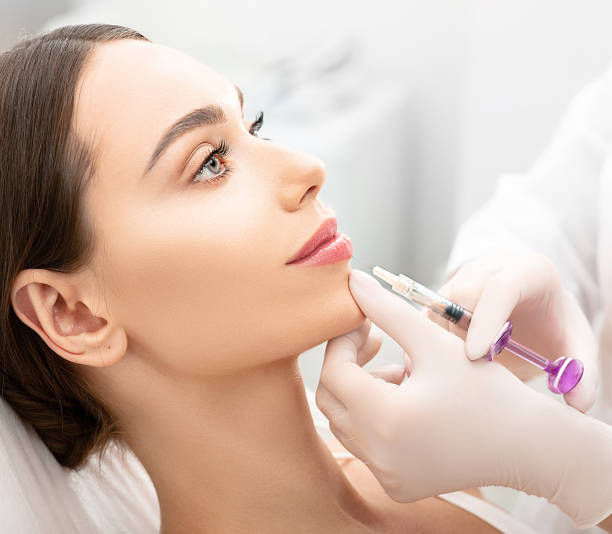
Microneedling: Creates controlled micro-injuries that promote collagen synthesis, improving skin texture.
Dermabrasion and Microdermabrasion: Exfoliate the skin surface to reduce scars and irregularities.
Customized Treatment Plans for Optimal Skin Texture Improvement
Every individual’s skin responds differently to various treatments. A comprehensive approach often combines multiple modalities to achieve the best results in skin texture improvement. Factors such as skin type, scar severity, and overall skin health influence the choice of treatment.
The Role of Professional Guidance
Consulting with a skincare specialist ensures that the selected acne treatment plan is tailored to the individual's unique needs. Professionals can assess the extent of scarring and recommend appropriate procedures that safely enhance skin smoothness.
Maintaining Results and Skin Care Routine
Post-treatment skin care, including sun protection, regular moisturizing, and the use of targeted topical agents, plays a vital role in maintaining improvements in skin texture. Consistency in skincare routines helps sustain the benefits of acne treatment over time.
Lifestyle Factors That Support Skin Texture Improvement
Healthy Diet and Hydration
A balanced diet rich in antioxidants and proper hydration support skin healing and collagen production, contributing to smoother skin.
Sun Protection
Protecting the skin from UV exposure prevents further damage and hyperpigmentation, which can impair skin texture.
Avoiding Skin Picking
Refraining from picking or squeezing acne lesions minimizes additional trauma and scarring, preserving skin texture.
Expectations from Acne Treatment Regarding Skin Texture
While many treatments effectively improve skin texture, it’s important to have realistic expectations. Complete scar removal may not always be achievable, but significant refinement and smoothing are common outcomes. Consistent treatment and proper skincare can substantially enhance the skin’s surface, leading to a more youthful and even appearance.
Conclusion
Acne treatment Abu Dhabi offers a comprehensive approach not only to clear active breakouts but also to improve the skin's overall texture. By reducing inflammation, promoting collagen production, and utilizing advanced resurfacing techniques, individuals can achieve smoother, healthier skin. Understanding how these treatments influence skin texture empowers individuals to make informed decisions and commit to a skincare routine that fosters long-term skin health and confidence.


Comments