Does Exosome Therapy Promote Collagen Growth?
- Bilal Raja
- Mar 8, 2025
- 4 min read

Exosome therapy has emerged as a revolutionary approach in regenerative medicine, with growing interest across various sectors, particularly in dermatology and aesthetics. As a non-invasive treatment option that harnesses the power of exosomes, this therapy is being explored for its extraordinary potential to promote healing and rejuvenation. With the increasing curiosity around this innovative technique, Exosome Therapy in Abu Dhabi presents a unique solution for individuals seeking skin rejuvenation and healing without undergoing invasive procedures.

Understanding Exosomes and Their Role in Regenerative Medicine
What Are Exosomes?
Exosomes are tiny vesicles secreted by cells that play a crucial role in intercellular communication. They carry proteins, lipids, and genetic material, facilitating the transfer of information between cells. This communication is vital for regulating various physiological processes, including inflammation, immune responses, and tissue repair.
The Significance of Regenerative Medicine
Regenerative medicine aims to repair or replace damaged tissues and organs, promoting the body’s natural healing processes. Exosome therapy aligns with this goal by utilizing the natural healing properties of exosomes derived from stem cells or other sources, amplifying the body's innate ability to regenerate and rejuvenate.
Mechanism of Action: How Exosome Therapy Works
Cellular Communication and Repair
The primary mechanism by which exosome therapy exerts its effects is through cellular communication. When exosomes are introduced into the body, they interact with target cells, delivering signaling molecules that can stimulate various biological processes, including:
Tissue Repair: Promoting the regeneration of damaged tissues.
Anti-Inflammatory Effects: Reducing inflammation, a common factor in many skin conditions.
Immune Modulation: Balancing the immune response to enhance recovery.
Promotion of Collagen Synthesis
One of the most compelling benefits of exosome therapy is its ability to promote collagen synthesis. Collagen is a critical protein in the skin that provides structure, elasticity, and strength. By stimulating fibroblasts—cells responsible for producing collagen—exosomes can enhance collagen production, leading to improved skin texture and elasticity.
Benefits of Exosome Therapy for Skin Health
Skin Rejuvenation and Anti-Aging Effects
Exosome therapy has quickly gained popularity for its impressive anti-aging benefits. By promoting collagen growth, the therapy can significantly improve the appearance of fine lines, wrinkles, and overall skin texture. Patients often notice a more youthful, radiant complexion after treatment.
Enhanced Healing After Procedures
For those undergoing aesthetic procedures such as dermal fillers or laser treatments, exosome therapy can enhance healing and recovery. The regenerative properties of exosomes support faster tissue repair, reduce downtime, and improve overall results.
Reduction of Scarring and Hyperpigmentation
Exosome therapy may also aid in reducing the visibility of scars and hyperpigmentation. The regenerative factors within exosomes promote healing and tissue regeneration, minimizing the appearance of unwanted blemishes on the skin.
The Procedure: What to Expect
Consultation and Assessment
Before undergoing Exosome Therapy, individuals typically start with a consultation where a healthcare professional assesses their skin condition and discusses treatment goals. This personalized approach ensures that the therapy aligns with the patient’s specific needs.
Treatment Process
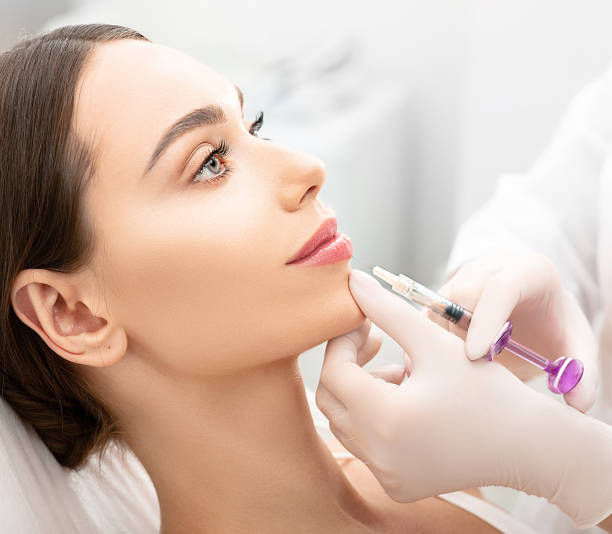
During the treatment, exosomes are applied to the skin or injected into targeted areas. The procedure is generally quick, and patients may experience minimal discomfort. The non-invasive nature of this therapy means that it typically requires little to no downtime, allowing individuals to return to their daily activities almost immediately.
Comparing Exosome Therapy to Other Treatments
Exosome Therapy vs. Traditional PRP Therapy
Platelet-rich plasma (PRP) therapy is another popular regenerative treatment that utilizes the body’s natural healing properties. However, exosome therapy may offer superior results due to the concentrated and diverse biological factors present in exosomes, potentially leading to enhanced collagen production and overall skin rejuvenation.
Exosome Therapy vs. Microneedling
Microneedling is a mechanical treatment that stimulates collagen production by creating micro-injuries in the skin. While effective, combining microneedling with exosome therapy may produce synergistic effects, enhancing the results of both treatments and accelerating healing.
Aftercare and Recovery
Post-Treatment Guidelines
After undergoing Exosome Therapy, patients are usually provided with aftercare instructions to ensure optimal results. This may include:
Hydration: Maintaining hydration to support skin health.
Sun Protection: Applying sunscreen to protect the skin from UV damage.
Avoiding Harsh Products: Steering clear of strong exfoliants or irritants for a few days.
Expected Results and Longevity
While individual results may vary, many patients notice improvements in skin texture and appearance shortly after treatment, with optimal results developing over the following weeks. The benefits of exosome therapy can last for several months, depending on individual skin conditions and maintenance routines.
Common Applications of Exosome Therapy
Aesthetic Applications
Exosome therapy is increasingly utilized in aesthetic settings for various applications, including:
Facial Rejuvenation: Enhancing overall skin appearance.
Scar Treatment: Reducing the visibility of scars.
Hair Restoration: Supporting hair follicles and stimulating growth.
Medical Applications
Beyond aesthetics, exosome therapy is being explored in medical applications, such as:
Wound Healing: Accelerating the healing process in chronic wounds.
Joint Regeneration: Supporting healing in conditions like osteoarthritis.
Future Perspectives in Exosome Therapy
Ongoing Research
Research into the potential of exosome therapy is rapidly evolving. Scientists continue to explore the therapeutic applications of exosomes, ranging from treating various skin conditions to chronic diseases. As understanding deepens, exosome therapy may become an integral part of regenerative medicine.
Integration with Other Therapies
The future of exosome therapy may also include integration with other innovative treatments. Combining exosome therapy with other regenerative techniques may enhance overall results and provide comprehensive solutions for patients.
Frequently Asked Questions
What is Exosome Therapy?
Exosome therapy is a regenerative treatment that utilizes exosomes, tiny vesicles secreted by cells, to promote healing and rejuvenation. It involves the application or injection of exosomes to stimulate tissue repair and collagen production.
How long can I expect the results of Exosome Therapy to last?
While individual results may vary, many patients experience improvements that can last several months, depending on their skin condition and ongoing maintenance routines.
Is Exosome Therapy safe for all skin types?
Exosome therapy is generally considered safe for various skin types. However, it's important to consult a healthcare professional beforehand to assess individual suitability.
Can Exosome Therapy be combined with other treatments?
Yes, exosome therapy can be effectively combined with other treatments like microneedling or laser therapy to enhance results and support faster healing.
In summary, Exosome Therapy represents an exciting frontier in skin health and regenerative medicine. With its potential to promote collagen growth, enhance healing, and improve skin texture, this innovative therapy is paving the way for non-invasive aesthetic solutions for diverse skin concerns.


Comments