Does Acne Treatment Help with Acne Scars?
- Bilal Raja
- Dec 11, 2025
- 4 min read

Acne is a common skin condition that affects millions of people worldwide, often leaving behind more than just temporary blemishes. For many, the aftermath of acne includes stubborn scars that can impact self-esteem and confidence. As individuals seek solutions to improve their skin's appearance, a critical question arises: Does acne treatment help with acne scars? Understanding the relationship between acne treatments and scar reduction is essential for anyone looking to restore their skin's smoothness and clarity. In this comprehensive guide, we will explore how Acne Treatment in Abu Dhabi influence scars, the different types of scars, and effective options for achieving smoother, scar-free skin.
Understanding Acne and Its Scarring
What Is Acne and How Does It Lead to Scarring?
Acne is an inflammatory skin condition characterized by the presence of pimples, blackheads, whiteheads, and cysts. It occurs when hair follicles become clogged with excess oil, dead skin cells, and bacteria. Severe or untreated acne can damage the skin's deeper layers, leading to scar formation. The extent of scarring depends on the severity of acne, skin type, and individual healing response.
Types of Acne Scars
Acne scars are diverse in appearance and can be classified into various types:
Atrophic Scars: These are depressed scars that form when the skin loses collagen during healing. They include boxcar scars, icepick scars, and rolling scars.
Hypertrophic and Keloid Scars: Raised scars resulting from excess collagen production during healing.
Pigmented or Post-Inflammatory Hyperpigmentation: Dark spots that may fade over time but can sometimes mimic scars.
Understanding these types is vital for selecting the appropriate treatment strategy, as some methods target specific scar types more effectively.

How Do Acne Treatments Impact Scars?
The Primary Goal of Acne Treatments
Most acne treatments aim to reduce the frequency and severity of breakouts, control inflammation, and prevent new scars from forming. However, their influence on existing scars varies. While many treatments are effective at managing active acne, they may also have benefits in diminishing the appearance of scars.
Can Treating Active Acne Prevent Further Scarring?
Effective management of active acne is crucial for preventing new scars. When acne is controlled early, the skin's healing process is less likely to result in permanent scars. This emphasizes the importance of addressing acne promptly with appropriate treatment plans.
Do Acne Treatments Reduce Existing Scars?
Some acne treatments can improve the appearance of existing scars by stimulating collagen production, remodeling the skin, or resurfacing the damaged tissue. Though treatments won't always completely erase scars, they can significantly reduce their visibility and improve skin texture. The effectiveness depends on the scar type, severity, and treatment modality used.
The Role of Combination Therapy
Often, a combination of treatments yields the best results. For example, controlling active acne with topical or oral medications while simultaneously undergoing scar-specific procedures can optimize overall skin appearance. Professional guidance helps tailor these combined approaches for individual needs.
Types of Acne Scar Treatments and Their Effectiveness
Non-Invasive Treatments
Chemical Peels
Chemical peels involve applying a chemical solution to exfoliate the top layers of skin, promoting new, healthier skin growth. They can improve superficial scars and skin texture when performed regularly.
Microdermabrasion
This procedure gently sands the skin, removing dead cells and stimulating collagen production. It is suitable for mild scars and surface irregularities.
Laser Skin Resurfacing
Laser treatments target deeper layers of skin to stimulate collagen remodeling, effectively reducing atrophic scars. They are versatile and can be customized based on scar severity.
Minimally Invasive Procedures
Microneedling
Microneedling creates controlled micro-injuries in the skin, encouraging collagen formation. It is particularly effective for rolling scars and improving overall skin texture.
Subcision
This technique involves breaking the fibrous bands pulling down depressed scars, elevating the skin's surface and smoothing out scars.
Surgical and Advanced Treatments
Scar Excision
Involves surgically removing deep scars and closing the wound for a flatter appearance. Best suited for icepick scars.
Dermal Fillers
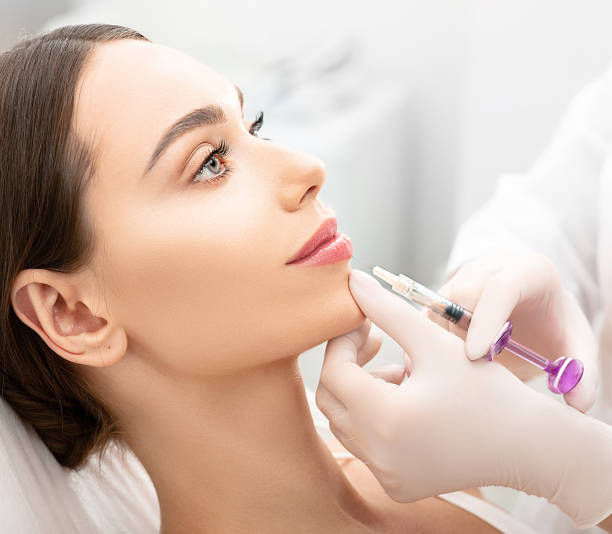
Temporary or long-lasting fillers can elevate depressed scars, making them less noticeable.
Choosing the Right Treatment
The selection depends on the scar type, skin condition, and individual response. Consulting with a skincare professional allows for personalized treatment planning that maximizes results.
The Role of Skincare and Lifestyle in Scar Management
Skincare Regimen for Scar Reduction
Consistent use of suitable skincare products, including retinoids, vitamin C serums, and sunscreens, can support skin healing and improve overall texture. Proper skincare complements professional treatments and enhances outcomes.
Lifestyle Factors
Healthy lifestyle habits, such as a balanced diet, adequate hydration, and avoiding smoking and excessive sun exposure, contribute to better skin healing and scar minimization.
The Importance of Professional Consultation
Customizing a Scar Management Plan
Each individual’s skin responds differently to treatments. Professional assessment helps determine the most effective combination of therapies tailored to the specific scar types and skin conditions.
Setting Realistic Expectations
While treatments can significantly improve the appearance of scars, complete removal may not always be possible. Patience and consistent follow-up are key to achieving optimal results.
Conclusion
Acne Treatment Abu Dhabi and other locations can play a vital role in managing acne scars. While the primary focus of acne therapies is to control breakouts and prevent new scars, many treatments also promote skin regeneration and scar reduction. Combining active acne management with targeted scar treatments offers the best chance for smoother, clearer skin. It is essential to consult with skincare professionals to develop a personalized plan that addresses both active acne and existing scars for the most effective results.


Comments