Does Acne Treatment Help with Acne Scars?
- Bilal Raja
- Apr 28, 2025
- 4 min read

Acne is a common skin condition that affects individuals of all ages and backgrounds, leading to physical and emotional distress. As many seek effective solutions for their acne, a vital question arises: does Acne treatment in Abu Dhabi help with acne scars? This blog delves into the nature of acne scars, the effectiveness of various acne treatments, and how different methods can contribute to the overall improvement of one's skin texture and appearance.

Understanding Acne Scars
What Are Acne Scars?
Acne scars are the residual marks left on the skin after acne lesions heal. These can take various forms, including:
Ice Pick Scars: Deep and narrow pits in the skin.
Boxcar Scars: Sharply defined edges with a rectangular shape.
Rolling Scars: Wavy and soft scars that create an uneven surface.
How Do Acne Scars Form?
When an acne lesion heals, the skin undergoes a repair process, which can sometimes result in scar formation. Factors that contribute to this process include:
Inflammation: Severe acne can lead to prolonged inflammation, increasing scarring risk.
Collagen Production: The body produces collagen to heal wounds, but variability in collagen production can lead to different types of scars.
Picking or Squeezing: Manipulating or squeezing pimples can exacerbate scarring.
The Connection Between Acne Treatment and Scar Improvement
Reducing Active Acne
The first step in managing acne scars is addressing the active acne itself. Effective acne treatments focus on eliminating current breakouts that can lead to more scarring. Methods include:
Topical Treatments: These often contain ingredients like retinoids and salicylic acid, which reduce inflammation and prevent new acne from forming.
Oral Medications: Antibiotics and hormonal treatments can help control severe breakouts, indirectly minimizing the risk of further scarring.
Promoting Healing and Skin Regeneration
Many acne treatments focus on enhancing the skin's healing process:
Chemical Peels: These remove the top layer of damaged skin, promoting new skin growth and reducing the appearance of scars.
Microdermabrasion: A less invasive procedure that exfoliates the skin, helping minimize the visibility of scars over time.
Treatments Specifically for Acne Scars
While addressing active acne is crucial, specific treatments can directly target existing scars.
Laser Therapy
One of the most effective methods for treating acne scars involves:
Fractional Laser Resurfacing: This technique stimulates collagen production by creating controlled microscopic injuries in the skin, allowing fresh, smoother skin to emerge.
Microneedling
Microneedling involves using tiny needles to create micro-injuries in the skin, resulting in:
Collagen Stimulation: Facilitating the body's natural healing response, which can lead to the improvement of scar texture.
Enhanced Product Absorption: Following microneedling, topical treatments can penetrate deeper, further accelerating improvement.
Fillers
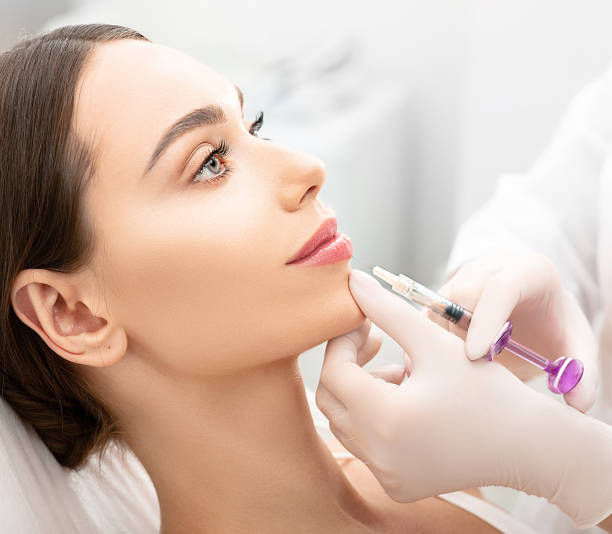
Dermal fillers can be injected into certain types of scars, providing:
Immediate Volume Boost: This can temporarily erase the appearance of certain scars, such as boxcar scars.
Combination Treatments: Often used alongside other treatments for comprehensive results.
Chemical Peels
As previously mentioned, chemical peels are valuable for:
Exfoliation: They help in sloughing off the upper layer of skin to reveal fresher skin underneath.
Reducing Pigmentation: Many people notice an improvement in skin tone and texture after repeated sessions.
Factors Influencing Treatment Effectiveness
Skin Type
Individual skin types can affect how well acne treatments work. Factors include:
Oiliness: Oily skin may respond better to certain topical medications.
Sensitivity: Sensitive skin might require gentler treatments to avoid irritation.
Severity of Scarring
The severity of existing scars will determine the treatment approach. Mild scars may respond to topical treatments, while deeper scars may necessitate more invasive procedures.
Commitment to Routine
Success in acne treatment often requires consistent adherence to recommendations. A comprehensive skincare routine, including regular check-ins with a skincare professional, can enhance results significantly.
Post-Treatment Care
Importance of Maintenance
After undergoing treatments for acne scars, maintaining healthy skin is vital. Key aspects include:
Sunscreen Application: Protecting the skin from UV rays is crucial since new skin can be more sensitive to sun exposure.
Moisturization: Hydrating the skin promotes healing and prevents excessive dryness, which can lead to further irritation.
Follow-Up Treatments
Most individuals will find that results improve over time, often necessitating:
Multiple Sessions: Treatments may need to be repeated to achieve the desired level of improvement.
Periodic Consultations: Regular follow-ups with a skincare professional can help adjust treatment plans based on progress.
Final Thoughts
In conclusion, while Acne treatment Abu Dhabi is primarily aimed at managing active breakouts, it plays a significant role in the prevention and management of acne scars. Understanding the types of treatments available and their specific benefits can help individuals on their journey to clear, healthy skin.
FAQs
1. What types of acne treatments are available to reduce scars?
There are various treatments available, including laser therapies, chemical peels, microneedling, and fillers, each targeting different aspects of acne scarring.
2. How long does it typically take to see improvement in acne scars after treatment?
Most individuals begin to notice improvements within a few weeks to months, depending on the treatment used and the severity of the scarring.
3. Can over-the-counter products help with acne scars?
Certain over-the-counter products, especially those containing retinoids or alpha hydroxy acids, can help improve the texture and tone of the skin over time.
4. Are there any lifestyle changes that could help improve the appearance of acne scars?
Maintaining a healthy skincare routine, staying hydrated, eating a balanced diet, and avoiding excessive sun exposure can all contribute to healthier skin and improved scar appearance.


Comments