Can I Get An Infection After A Beard Hair Transplant?
- Bilal Raja
- Jul 3, 2025
- 3 min read

A beard hair transplant is a popular cosmetic procedure that helps men achieve a fuller, more defined beard by transplanting hair follicles into areas with sparse or no hair growth. As with any surgical procedure, potential concerns about postoperative complications often arise, with infection being one of the common questions among prospective patients. Understanding the likelihood of infection and how to prevent it is essential for anyone considering Beard Hair Transplant in Abu Dhabi or elsewhere.
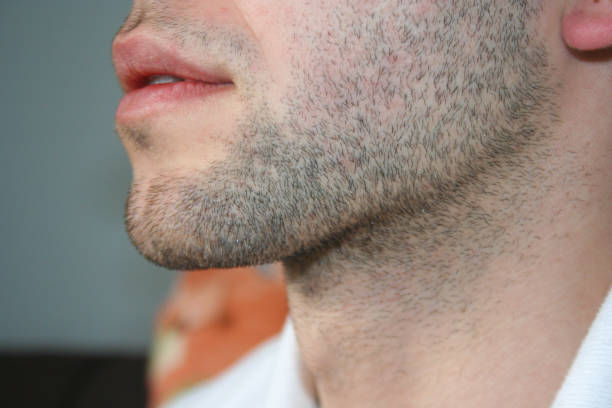
Understanding the Beard Hair Transplant Procedure
What Does the Procedure Entail?
A beard hair transplant involves harvesting hair follicles from a donor area, typically the scalp, and transplanting them into the beard region. The technique usually employed is follicular unit extraction (FUE), which involves extracting individual hair follicles and implanting them into pre-made incisions. This minimally invasive process is designed to produce natural-looking results with minimal downtime.
Why Is Proper Technique Important?
The success of a beard transplant largely depends on precise surgical techniques that minimize trauma to the skin and ensure proper placement of follicles. Proper sterilization and adherence to hygiene standards also play a crucial role in reducing the risk of postoperative complications, including infection.
Factors Influencing Infection Risk in Beard Hair Transplant
Surgical Environment and Sterility
Maintaining a sterile environment is fundamental during any surgical procedure. The use of sterilized instruments, gloves, and drapes, as well as a clean operating space, significantly reduces the chance of introducing bacteria into the skin.
Patient Hygiene and Postoperative Care
Patients are advised to follow strict hygiene protocols before and after the procedure. Proper cleaning of the treated area, avoiding touching or scratching, and adhering to prescribed aftercare instructions are vital in preventing infections.
Individual Skin Conditions and Immune Response
Pre-existing skin conditions, such as acne or dermatitis, can increase susceptibility to infections. Additionally, a person's immune system response influences healing and infection risk. Those with compromised immunity should discuss their health status thoroughly with their specialist beforehand.
Use of Antibiotics and Medications
Prophylactic antibiotics may be prescribed to prevent bacterial infections post-surgery. Adherence to medication regimens, combined with the use of topical antiseptics, contributes to a cleaner healing environment.
Common Signs and Symptoms of Infection Post-Transplant
Early Indicators
Redness and swelling beyond normal postoperative inflammation
Persistent or increasing pain
Discharge or pus from the transplanted area
Fever or chills indicating systemic infection
Unusual foul odor from the treated region
Recognizing the Symptoms
Early detection of these signs is crucial. Patients should monitor their beard area closely during the healing phase and report any concerns to their healthcare provider promptly to initiate appropriate treatment.
Preventive Measures to Minimize Infection Risk
Preoperative Preparation
Prior to the procedure, patients should follow preoperative instructions, which often include scalp and facial hygiene routines and avoiding blood-thinning medications that can increase bleeding and infection risk.
During the Procedure
Strict adherence to sterilization protocols by the medical team, use of disposable sterile equipment, and maintaining a clean environment are essential. Additionally, the surgeon's expertise in handling tissue minimizes tissue trauma and potential contamination.
Postoperative Care
Post-surgery, patients should:
Keep the area clean and dry
Follow prescribed cleansing routines
Avoid touching or scratching the grafted area
Refrain from vigorous activities that cause sweating or trauma
Use any recommended topical antiseptics or antibiotics diligently
Follow-up and Monitoring
Regular postoperative visits allow the healthcare team to assess healing progress, identify early signs of infection, and provide necessary interventions if needed.
Managing Infection if It Occurs
Immediate Actions
If signs of infection appear, early consultation with a specialist is essential. Treatment may involve antibiotics, drainage of any abscesses, or other medical interventions to control and eliminate the infection.
Long-term Outcomes
With prompt management, most infections can be effectively treated without impacting the final aesthetic results. However, delayed treatment might lead to complications, including scarring or loss of transplanted follicles.
Enhancing Safety and Ensuring Successful Results
Choosing a Qualified Specialist
Selecting a skilled and experienced surgeon who follows strict hygiene standards is paramount. Their expertise reduces the likelihood of complications, including infections.
Following Postoperative Instructions Diligently
Adhering to all guidelines provided by the healthcare team ensures optimal healing and minimizes the risk of infection. Patients should be proactive in asking questions and clarifying instructions.
Maintaining Overall Health
A balanced diet, adequate hydration, and avoiding smoking or alcohol during recovery support the body's healing capacity and immune function.
Conclusion
While the possibility of infection after a Beard Hair Transplant Abu Dhabi or any other location exists, it is generally very low when the procedure is performed by qualified professionals following strict hygiene and postoperative care guidelines. Patients who are well-informed and diligent in their post-surgical routines can enjoy the benefits of a fuller, natural-looking beard with minimal risk. Prioritizing safety, choosing experienced practitioners, and adhering to all care instructions are the best strategies to ensure a smooth recovery and successful outcome.



Comments